Understanding Cannabis Seeds
Cannabis seeds are the foundational elements of the cannabis plant, playing a pivotal role in its growth and development. Structurally, a cannabis seed comprises several anatomical components, including the seed coat, endosperm, and embryo. The seed coat protects the seed’s delicate interior, while the endosperm serves as a nutrient reservoir that supports initial growth. The embryo is the actual germ that, when provided with the right environmental conditions, will develop into a mature cannabis plant.
There are primarily three types of cannabis seeds available to cultivators: feminized, regular, and auto-flowering seeds. Feminized seeds are engineered to produce only female plants, which are essential for generating the cannabinoid-rich flowers desired by most cannabis growers. Regular seeds, on the other hand, produce both male and female plants, making them suitable for breeders looking to create new strains or maintain genetic diversity. Auto-flowering seeds are uniquely designed to flower automatically after a certain growth period, regardless of the light cycle, which can be advantageous for growers seeking quicker harvests.
The importance of seed quality and genetics cannot be overstated in the germination process. High-quality seeds increase the likelihood of successful germination and vigorous plant growth. Genetics also play a crucial role in determining the plant’s characteristics, including yield, potency, and resistance to pests and diseases. When selecting seeds, growers should consider reputable sources and, if possible, opt for seeds that have been tested for germination rates and overall health. By understanding the anatomy and types of cannabis seeds, cultivators can make informed decisions that greatly enhance their chances of success in growing healthy, productive plants.
Preparing for Germination
Successfully germinating cannabis seeds requires careful preparation to ensure optimal conditions for growth. Before initiating the germination process, it is crucial to gather all necessary supplies. Essential items include high-quality paper towels which will serve as the germination medium, clean water at room temperature, and sterilized pots or seed trays for planting once the seeds sprout. Having these materials on hand helps streamline the process and minimizes the risk of contamination.
Creating an ideal environment is another significant factor in the germination of cannabis seeds. The seeds thrive best at temperatures between 70°F and 90°F (21°C to 32°C). Maintaining a stable climate is crucial, as dramatic fluctuations can impede the germination process. Additionally, ensuring appropriate humidity levels is vital; a humidity range of 70-80% is optimal for seed sprouting. This can often be achieved by covering the seeds with a damp paper towel in a warm area. Furthermore, adequate light is essential, although direct exposure should be limited until the seeds have germinated and are ready to transition to a growing medium.
Creating a sterile workspace cannot be overstated when it comes to preparing for germination. Contamination from bacteria or mold can severely damage germinating seeds. Therefore, it is advisable to clean the work area thoroughly and sanitize all tools and containers that will be in contact with the seeds. Using gloves during the preparation process can also help prevent any unwanted residues from affecting seed health.
Ultimately, the process of germinating cannabis seeds is one that requires both patience and attention to detail. By following these preparations carefully, growers can significantly improve their chances of a successful outcome, setting the stage for vigorous plant growth in the upcoming stages of cultivation.
The Germination Methods
Germinating cannabis seeds is a crucial step in the cultivation process, and selecting the right method can significantly influence the success rate of seed sprouting. Three popular methods are the paper towel method, the soil method, and the water soaking technique, each with its own advantages and disadvantages.
The paper towel method is widely favored for its simplicity and effectiveness. To begin, you will need two damp paper towels, a plate, and your cannabis seeds. First, place one paper towel on the plate, ensuring it is evenly moist but not dripping. Next, place the seeds spaced apart on the towel. Cover them with the second damp paper towel and then place the plate in a warm, dark area. Check daily to ensure the towels remain moist. Typically, seeds will germinate within 1 to 7 days. One pro of this method is that it allows for easy monitoring of the seeds’ progress, while a con is that it requires careful moisture management to prevent mold growth.
The soil method offers a more natural approach, providing seedlings with immediate access to essential nutrients. Start by filling small pots with quality seedling soil, then make a small indent in the center of each pot. Place a seed in the indent and gently cover it with soil, ensuring it is barely below the surface. Water the soil lightly and place the pots in a warm location with indirect sunlight. This method typically takes 5 to 10 days for germination. The primary advantage of this technique is that the seeds develop in their final growing medium, reducing transplant shock. However, the downside is the difficulty in direct observation of the germination process.
Lastly, the water soaking technique involves soaking the seeds in room-temperature water for 12 to 24 hours. After soaking, transfer the seeds to a suitable planting medium immediately. This method can speed up germination, but care must be taken to avoid over-soaking, which may drown the seeds. When done correctly, it prepares the seeds for rapid sprouting.
Each of these germination techniques can yield successful results. Choosing the most suitable method depends on the grower’s preferences, experience, and available resources.
Monitoring Conditions for Success
Successful germination of cannabis seeds is highly dependent on maintaining optimal environmental conditions. The ideal temperature for germinating cannabis seeds typically ranges between 70°F and 85°F (21°C to 29°C). Within this range, the seeds can absorb water effectively, which is essential for initiating the germination process. If the temperature falls below this threshold, the germination process may slow significantly or even halt, while excessive heat can damage the seeds or inhibit sprouting altogether.
In addition to temperature, humidity levels play a crucial role in successful germination. A relative humidity of around 70% to 80% is generally recommended during the early stages of germination. This level of humidity helps to maintain moisture around the seeds, allowing them to soften and swell, thereby promoting healthy sprouting. If the humidity levels fall below 50%, the seeds may dry out and fail to germinate. Conversely, excessively high humidity can lead to mold growth, which poses a severe threat to the seeds and emerging seedlings.
To ensure the optimal conditions are maintained, it’s advisable to use a reliable thermometer and hygrometer to regularly monitor temperature and humidity levels within the germination environment. If you notice that conditions are not ideal, adjustments should be made promptly, such as utilizing heat mats to increase temperature or employing small fans to improve air circulation and reduce humidity when necessary.
Consistency is key throughout this process. Frequent checks and adjustments can help create a nurturing environment for cannabis seeds, enhancing their chances of successful germination. By closely monitoring these critical factors, cultivators can ensure that their seeds have the best possible start, setting the foundation for healthy plant growth in the subsequent stages. Understanding how temperature and humidity impact seed development is fundamental for cultivators aiming for success.
Common Issues During Germination
The germination process of cannabis seeds, while generally straightforward, can sometimes present several challenges that growers must be aware of. One common issue encountered is seed rot. This occurrence is often due to excessive moisture levels in the germination medium. To mitigate this, it is essential to ensure adequate drainage and to monitor water levels carefully. Overwatering can create a suffocating environment that prevents seeds from sprouting, leading to rot and potential loss.
Another problem that may arise is a low germination rate. This could be attributed to various factors, including the age of the seeds, improper storage, or inadequate conditions during germination. To improve germination rates, growers should source seeds from reputable suppliers, as fresh and properly stored seeds are more likely to sprout effectively. Additionally, creating optimal conditions—maintaining the appropriate temperature and humidity levels—can significantly enhance the chances of successful seed germination.
Delayed sprouting is yet another common issue faced by cultivators. While some cannabis seeds may take longer to germinate than others, excessive delays can signal underlying problems such as insufficient moisture or extreme temperatures. Growers can address this by routinely checking on the seeds and ensuring that they are neither too dry nor excessively wet. Patience is crucial; however, if sprouting does not occur within a reasonable timeframe, it may indicate that the seeds have failed.
In situations where these issues arise, troubleshooting is essential. Cultivators are encouraged to keep a journal documenting their germination conditions and results to identify patterns over time. With careful attention to detail and proactive measures, growers can overcome these common hurdles in the germination process and foster healthy cannabis plant development.
Transplanting Seedlings
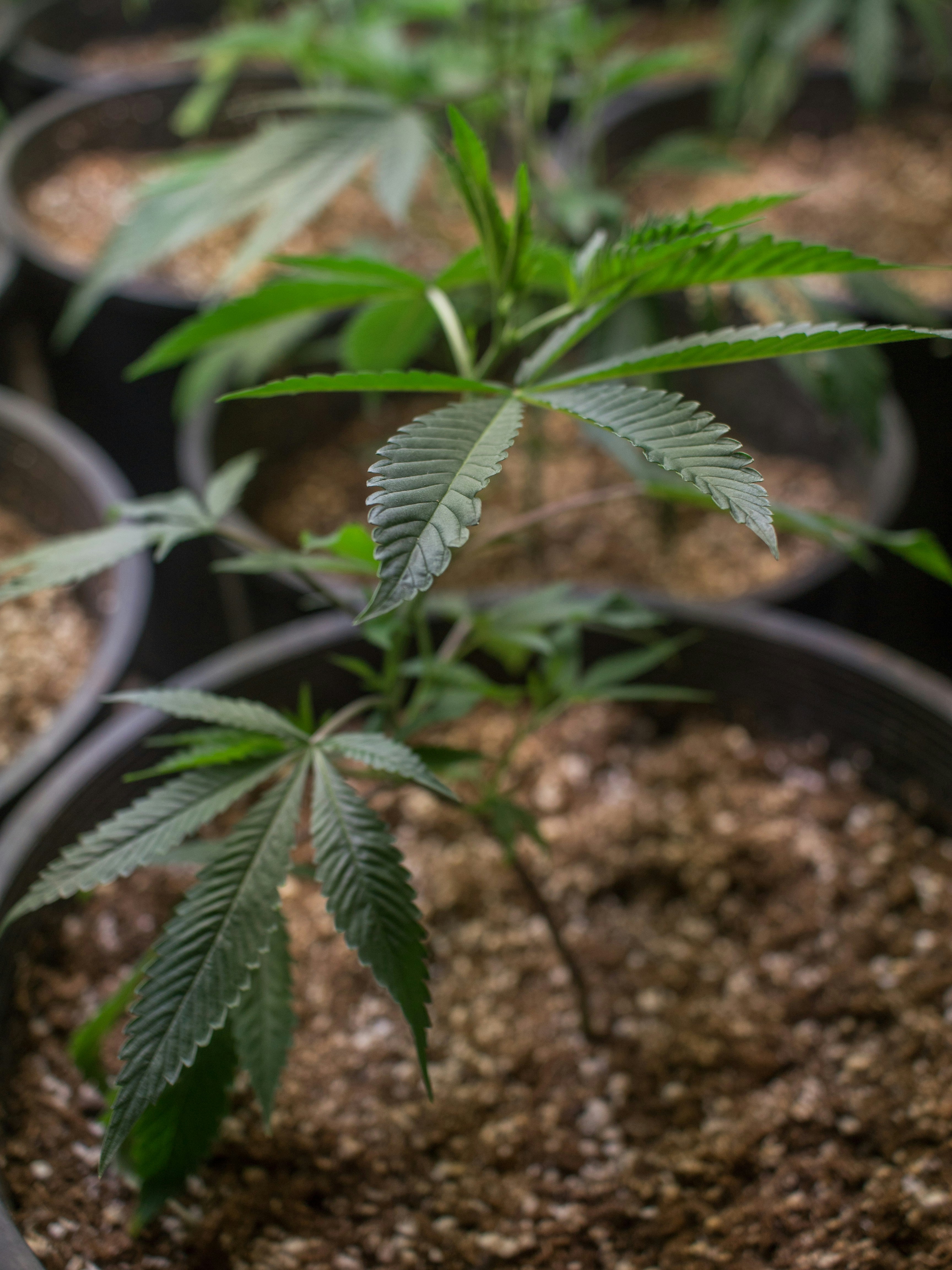
Transplanting seedlings is a crucial step in the cannabis cultivation process, occurring once the seedlings have sprouted and developed their first true leaves. Carefully timing the transplant is essential; seedlings should ideally reach a height of about 3-4 inches before being moved, ensuring they are robust enough to withstand the transition. This period usually occurs one to two weeks post-germination, depending on the growth rate of the plants.
When you are ready to transplant, begin by preparing the new growing environment, whether it be a larger pot or an outdoor garden space. Use a high-quality potting mix that retains moisture while providing adequate drainage—this is vital for the healthy growth of cannabis seedlings. If transplanting to a larger pot, ensure it contains sufficient holes at the bottom to prevent root rot stemming from excess water retention.
To minimize stress during the transplanting process, it is recommended to water the seedlings thoroughly a few hours prior to relocation. This ensures that the soil is moist, making it easier to remove the plants from their initial containers without damaging their delicate roots. When gently extracting the seedlings, it is advisable to handle them by the leaves rather than the stem to reduce the risk of injury.
After placing the seedlings in their new location, fill any gaps with additional soil to provide support. It is common for plants to exhibit signs of stress initially, such as drooping leaves or slower growth. To reduce this stress, maintain a consistent watering schedule and avoid overexposing the plants to direct sunlight immediately after transplanting. Gradually acclimating them to their new environment will help ensure a smoother transition and ultimately lead to a healthy, thriving cannabis plant.
Tips and Tricks for Successful Germination
Successfully germinating cannabis seeds is an essential step for any cultivator aiming to establish a thriving crop. One effective strategy is pre-soaking the seeds in distilled water for 24 hours prior to planting. This process can help enhance the chances of germination by softening the outer shell, allowing moisture to penetrate and activate the seed’s metabolic processes. However, it is crucial to avoid soaking seeds for too long, as excess moisture can lead to rot.
Another recommendation is to consider the application of rooting hormones. These hormones can promote faster and healthier root growth, which is particularly beneficial during the early stages. When using rooting hormones, it’s vital to follow the manufacturer’s instructions to ensure optimal results without overwhelming the young plants.
Maintaining a stable environment is also crucial during germination. The seeds thrive in a warm, humid environment, ideally with temperatures ranging from 70°F to 90°F. Utilizing a heat mat can help maintain the desired temperature, while humidity domes or plastic wraps can trap additional moisture. Regularly monitoring conditions is essential to prevent mold and ensure a healthy atmosphere for germination.
Record-keeping is an often-overlooked aspect of the germination process that can lead to increased success rates. By documenting the germination dates, methods used, and results observed, cultivators will be able to identify patterns and refine their techniques over time. Moreover, understanding the specific strains being germinated can provide valuable insights, as different strains may have unique germination requirements. Factors such as preferred moisture levels, temperatures, and light exposure can vary considerably among strains, making it important to tailor your approach accordingly.
Legal Considerations and Responsible Growing
As the cannabis industry continues to grow, it is essential for prospective growers to first understand the legal landscape surrounding the cultivation of cannabis seeds. Different regions, states, and countries have varying laws regarding the possession, cultivation, and distribution of cannabis. Therefore, checking local laws and regulations is paramount before embarking on the journey of growing cannabis. Failing to comply with these regulations may result in legal repercussions that can easily undermine your efforts. Resources such as government websites, legal consultations, or local cannabis organizations can provide valuable information regarding the legalities of growing cannabis seeds in your area.
Additionally, with the burgeoning of the cannabis market, the importance of responsible farming practices must not be overlooked. Responsible cultivation begins with assessing the sources from which cannabis seeds are obtained. It is advisable to purchase seeds from reputable breeders or licensed retailers who comply with local laws. This not only ensures quality genetics but also promotes ethical practices within the increasingly complex cannabis supply chain.
Beyond the legalities and sourcing of seeds, fostering a sense of community and shared knowledge among growers can greatly enhance the cultivation experience. Engaging with fellow cannabis growers can lead to the exchange of tips, techniques, and insights that benefit all parties involved. By prioritizing responsible sharing and supporting sustainable practices, growers can contribute to the growth of a respectful and knowledgeable cannabis culture.
In conclusion, navigating the legal landscape and embracing responsible cultivation practices are crucial components of growing cannabis seeds. Awareness of local regulations, coupled with a commitment to ethical sourcing and community engagement, will ensure a productive and responsible growing experience for all involved.
My Personal Advice and Experiences
Germinating cannabis seeds can often feel like an overwhelming process for new growers, but through my own experiences, I have come to appreciate the nuances and recommendations that can facilitate a successful outcome. One method I found particularly effective is the paper towel technique, where seeds are placed between damp paper towels and stored in a dark, warm environment. This method not only accelerates germination but also allows for easy monitoring of the seeds’ progress. I have seen the majority of my seeds sprout successfully using this approach, which gives new growers a productive start.
Another aspect I have learned is the importance of patience and timing. Initially, I would often become overly anxious if my seeds did not sprout within 24 to 48 hours. However, I quickly realized that different strains often have varied germination times. Some may take longer, and it’s vital to remain patient during this phase, as disrupting them prematurely can be detrimental. I encourage new growers to keep this in mind and to treat every seed with care and respect, as each one has the potential to contribute to their successful harvest.
Sharing experiences and connecting with the cannabis community has proven to be invaluable. I’ve learned so much from others who have been through the same journey. Engaging with forums and social media groups has allowed me to exchange tips, troubleshoot issues, and celebrate successes. New growers should not hesitate to seek out these networks — the support and insights available can significantly enhance their learning experience. Each grower’s journey is unique, and I believe that sharing our stories fosters a sense of camaraderie in the cannabis community. As you embark on your own path, remember that every mistake presents a lesson, and each success brings you closer to mastering the art of germinating cannabis seeds.